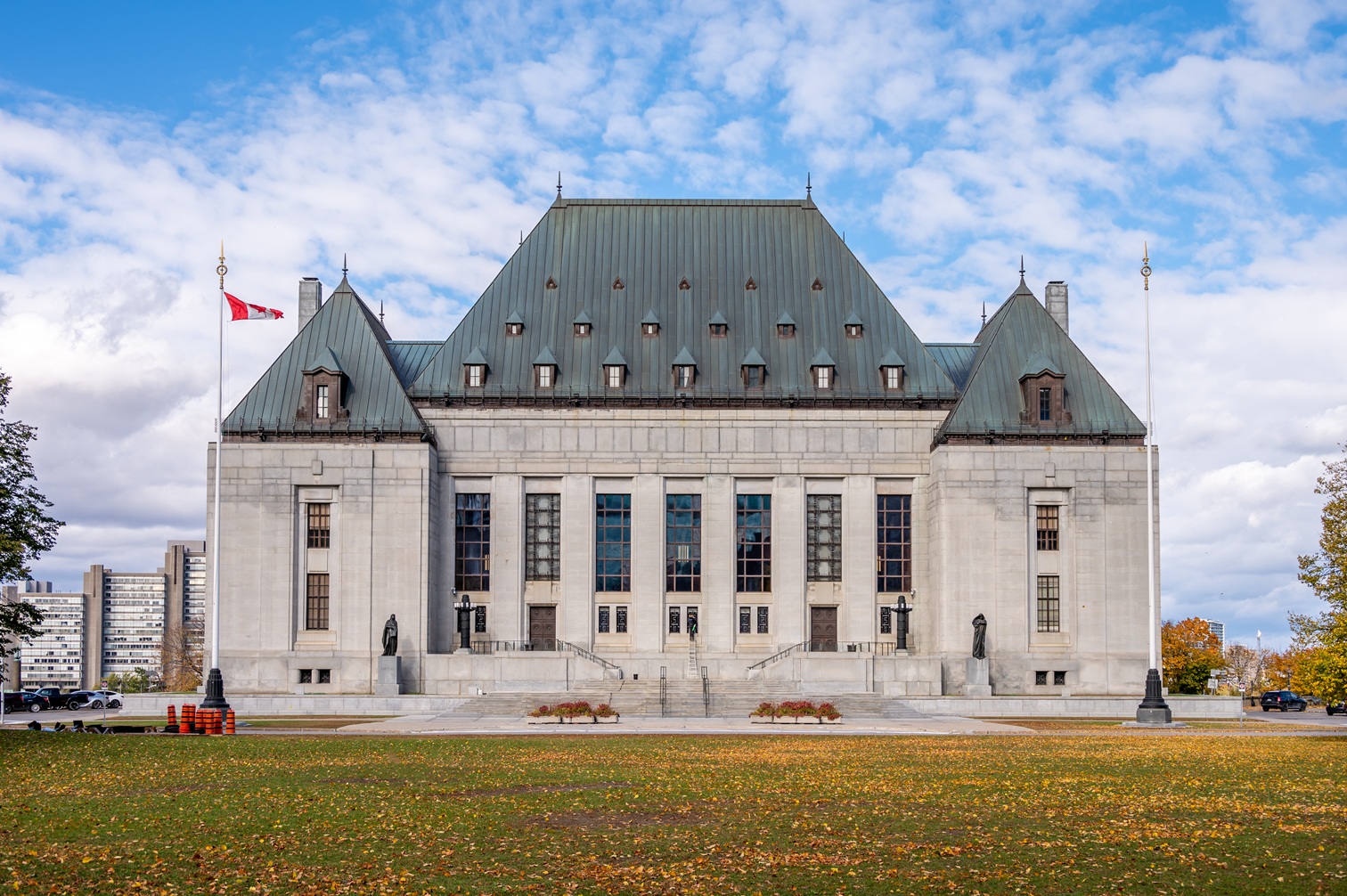
Case name: Chalifour-Racine et al. v Canada (Attorney General), 2026 FCA 145
Employees in Quebec receive maternity and parental benefits under the Act respecting parental insurance. However, this means they are not then entitled to receive some or all of the regular employment insurance (EI) benefits if they lose their employment shortly before, during, or soon after their maternity and parental leaves. This is because the period during which they receive parental benefits may not count towards the insurable hours required to qualify for regular EI.
Further contributing to this issue is that it is predominantly women who claim parental benefits under both the EI Act and the Parental Insurance Act. Men are also not able to claim maternity benefits under the Act. This is the main issue the Federal Court had to consider in this case.
The applicants in the case had all recently given birth to children, and received parental benefits under Quebec’s Parental Insurance Act. They subsequently lost their employment close to their parental leaves, and were all denied all or most of their EI benefits they would have received had they not received parental benefits.
The Applicants challenged the Federal EI Act provisions which prevented them from stacking EI benefits around their parental leave’s. They alleged that due to these benefits being disproportionately sought by women, provisions in the EI Act result in a sex-based discrimination contrary to section 15(1) of the Canadian Charter of Rights and Freedoms.
The Federal Court of Appeal agreed, and ultimately found that provisions in the Employment Insurance Act disproportionately impact women, thereby violating s. 15 of the Charter. They reasoned that because the maternity benefits were only available to women, and that parental benefits are predominantly claimed by women, the Act creates a sex-based distinction and actively worsens the financial vulnerability of new mothers.
The court considered whether this provision could be saved under section 1 of the Charter. They concluded that the infringement could not be justified under section 1 of the Charter, as the provisions did not minimally impair the appellants protected equality rights. This resulted in the challenged six provisions in the Federal EI Act being struck down, with the Court giving Parliament one year to reform these provisions.
Impact of this Decision on Recognizing Equality Rights for Women
Historically, working women have faced significant financial disadvantages, specifically tied to motherhood. Although on its face these provisions appeared to be gender neutral, the impact on an already disadvantaged group was recognized as an unjustifiable infringement on their rights. This is a significant finding demonstrating an affirmation of substantive equality for working women.
Through their ruling, the Court has recognized the disproportionate, and discriminatory impact that these provisions have had on women as a protected group. Parliament is now compelled to amend the Act to address the discriminatory effects of these provisions, and therefore ensure that women who receive parental benefits and lose their jobs close to giving birth, are protected from further financial hardship. Future legislation must not penalize working women for taking parental leave, thus resulting in financial hardship during an already vulnerable period of their lives.
More broadly, this ruling reinforces that true equality requires more than treating everyone identically. It requires recognizing and addressing the unique circumstances and barriers experienced by disadvantaged groups. By compelling Parliament to account for the realities of motherhood and caregiving, the Court has made it clear that public programs must not perpetuate systemic disadvantages for women. Women should never have to choose between having a family and maintaining the financial protections and economic independence they have worked to establish.
Sources
To read the full decision, please visit this link: https://decisions.fca-caf.ca/fca-caf/decisions/en/item/521898/index.do
To read the Plain-language decision summary, please visit this link: https://www.fca-caf.ca/en/pages/decisions/plain-language-decision-summaries/2026-fca-145